
Pre-eclampsia & Eclampsia During Pregnancy
Symptoms, Complications, Diagnosis & Management During Pregnancy
A pregnancy-related hypertensive disorder developing after 20 weeks of gestation characterized by new-onset blood pressure ≥140/90 mmHg, proteinuria, and systemic endothelial injury affecting the brain, kidneys, liver, lungs, and placenta. Explore clinical warning signs, progression to eclamptic seizures, maternal-fetal complications, WHO magnesium sulfate protocols, and postpartum surveillance.

Comprehensive Clinical Knowledge Base
Navigate through systemic organ pathology, warning symptoms, eclamptic progression, maternal-fetal complications, management pillars, and emergency protocols.
What Is Pre-eclampsia?
Pre-eclampsia is a pregnancy-specific systemic hypertensive syndrome characterized by new-onset hypertension (blood pressure ≥140/90 mmHg) occurring after 20 weeks of gestation in a previously normotensive woman, frequently accompanied by proteinuria (≥300 mg/24h or UPCR ≥0.3) and/or evidence of maternal multi-organ dysfunction or uteroplacental compromise.
Normal Pregnancy vs. Critical Pre-eclampsia Condition
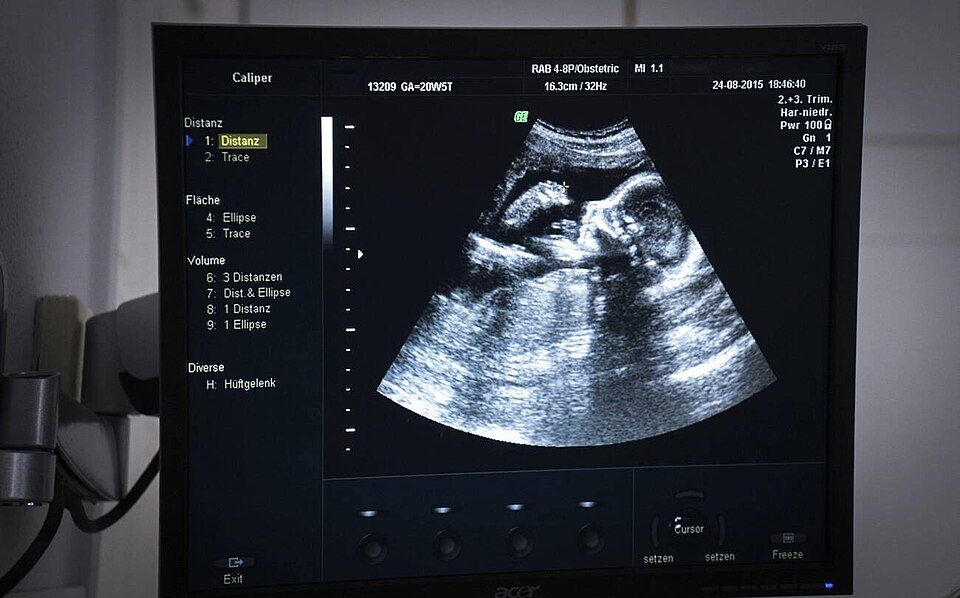
Low-Resistance Uteroplacental Flow
Blood pressure remains normotensive (<120/80 mmHg), maternal spiral arteries undergo extensive vasodilation, urine protein is negative/trace, and fetal growth tracks normal centiles without organ stress.
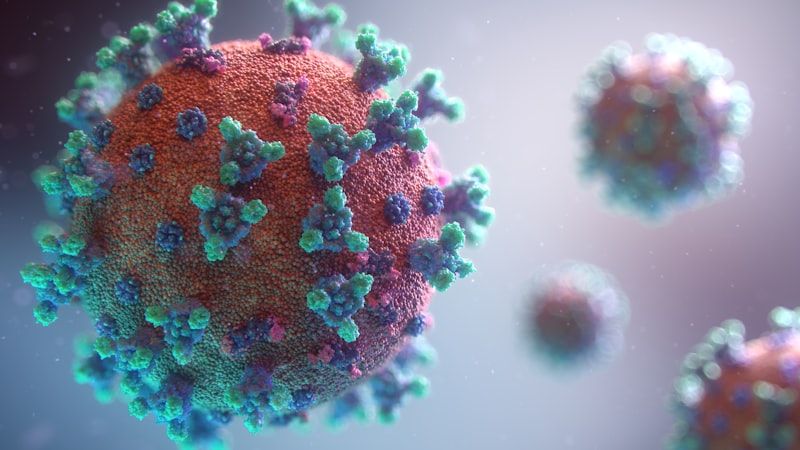
Severe Multi-Organ Vasospasm & Seizure Risk
Severe hypertension (≥140/90 or ≥160/110 mmHg), marked proteinuria/oliguria, cerebral edema with headache and vision loss, elevated liver enzymes, and generalized tonic-clonic eclamptic convulsions.
The 8 Critical Organs Affected by Pre-eclampsia
Pre-eclampsia is not isolated hypertension; widespread endothelial injury damages maternal microvessels across every vital organ system.
Brain (Central Nervous System)
Underlying Mechanism
Impaired cerebral autoregulation, endothelial damage, breakdown of the blood-brain barrier, and vasogenic cerebral edema resulting in cortical irritability.
Clinical Manifestations & Diagnostic Markers
- Severe, persistent frontal or occipital headache unresponsive to standard analgesia
- Visual disturbances: blurred vision, photophobia, flashing lights, or scotomata (blind spots)
- Hyperreflexia and brisk deep tendon reflexes with ankle clonus
- Progression to generalized tonic-clonic eclamptic convulsions or ischemic/hemorrhagic stroke
Frequently Asked Questions About Pre-eclampsia & Eclampsia
Expert answers derived from ACOG Practice Bulletins, WHO guidelines, and maternal-fetal medicine clinical consensus.
Can pre-eclampsia develop without protein in the urine?
Yes. Under contemporary ACOG and international ISSHP diagnostic guidelines, proteinuria is no longer strictly required to diagnose pre-eclampsia. In the presence of new-onset hypertension (BP ≥140/90 mmHg after 20 weeks), pre-eclampsia is definitively diagnosed if any of the following systemic features are present: thrombocytopenia (<100,000/μL), impaired liver function (elevated liver transaminases to twice the upper limit of normal or severe persistent RUQ/epigastric pain), renal insufficiency (serum creatinine >1.1 mg/dL), pulmonary edema, or new-onset headache unresponsive to medication with visual disturbances.
Why is Magnesium Sulfate preferred over diazepam or phenytoin for eclamptic seizures?
The landmark international Collaborative Eclampsia Trial and the Magpie Trial conclusively demonstrated that Magnesium Sulfate is far superior to both diazepam and phenytoin. Magnesium sulfate reduced the risk of recurrent convulsions by 52% compared to diazepam and by 67% compared to phenytoin. Furthermore, it significantly reduced maternal mortality without causing neonatal central nervous system depression or maternal respiratory suppression when monitored appropriately.
What is HELLP Syndrome and how does it relate to pre-eclampsia?
HELLP syndrome is a severe variant or complication of pre-eclampsia characterized by Hemolysis (microangiopathic hemolytic anemia with schistocytes and LDH >600 IU/L), Elevated Liver enzymes (AST/ALT ≥70 IU/L), and Low Platelets (<100,000/μL). It occurs in roughly 10–20% of women with severe pre-eclampsia. Patients frequently present with epigastric or right upper quadrant pain, malaise, and nausea. HELLP requires urgent tertiary hospital admission and stabilization, followed by delivery.
Can low-dose aspirin (Ecosprin) treat an eclamptic seizure or active eclampsia?
“Low-dose aspirin (Ecosprin) is used for prevention of pre-eclampsia in selected high-risk pregnancies. It is not a treatment for eclampsia or an acute eclamptic seizure.”
Before disease develops: Low-dose aspirin (75–150 mg daily, commonly prescribed as Ecosprin 75 or Ecosprin 150) may be prescribed to pregnant women at sufficiently high risk of pre-eclampsia. WHO recommends low-dose aspirin for prevention in high-risk women, generally started early in pregnancy (between 12 and 16 weeks of gestation).
Mechanism: Aspirin selectively inhibits platelet aggregation and rebalances the thromboxane/prostacyclin ratio, which improves uteroplacental vascular blood flow and reduces the risk of pre-eclampsia by up to 60%.
Established eclampsia: Ecosprin does not stop an eclamptic seizure and is not the emergency treatment. Management focuses on stabilizing the mother, controlling severe hypertension, preventing/treating seizures with Magnesium Sulfate (MgSO₄), and determining appropriate timing of delivery.
Important: Aspirin should not be started, stopped, or dose-adjusted during pregnancy without the obstetrician's direction, because bleeding risk and delivery/anaesthesia (epidural/spinal) considerations need to be assessed. WHO specifically notes these considerations around childbirth.
How long does postpartum eclampsia risk persist after giving birth?
While the majority of postpartum eclamptic seizures develop within the first 48 to 72 hours following delivery, late postpartum eclampsia can occur anywhere from 48 hours up to 4 to 6 weeks postpartum. Women who present postpartum with severe headache, visual blurring, shortness of breath, epigastric pain, or elevated blood pressure must undergo urgent evaluation, as late postpartum eclampsia carries a high risk of intracranial hemorrhage and stroke if unrecognized.
Clinical Citations & Medical Authority
- World Health Organization (WHO): WHO Recommendations: Drug Treatment for Non-Severe Hypertension in Pregnancy (2020) and WHO Recommendations for Prevention and Treatment of Pre-eclampsia and Eclampsia (2011/2018).
- American College of Obstetricians and Gynecologists (ACOG): Practice Bulletin No. 222: Gestational Hypertension and Preeclampsia. Obstetrics & Gynecology, 2020.
- National Institute for Health and Care Excellence (NICE): Clinical Guideline NG133: Hypertension in pregnancy: diagnosis and management, updated 2023.
- International Society for the Study of Hypertension in Pregnancy (ISSHP): The classification, diagnosis and management of the hypertensive disorders of pregnancy: A revised ISSHP statement, Pregnancy Hypertension, 2021.
The information provided on this website is for educational purposes only and is not intended as a substitute for professional medical advice, diagnosis, or treatment. Always seek the advice of a qualified healthcare provider with any questions you may have regarding a medical condition.