
Can Green Vegetables Remove Toxins From Your Body?
Green vegetables are excellent sources of fiber, vitamins, minerals, and phytonutrients that support overall health. However, the claim that green vegetables "remove toxins" or "detoxify" your body is an oversimplification. Your liver and kidneys handle waste processing — vegetables support these organs by providing nutrients, not by pulling toxins out of your tissues.

The Claim Explained
Browse social media or visit a juice bar, and you will likely encounter claims about the power of green vegetables to "detoxify" the body. Phrases like "green detox smoothies," "chlorophyll cleanses," and "green juice detox" are everywhere.
The popular narrative suggests that our bodies are constantly accumulating harmful "toxins" from the environment, processed foods, and stress. Proponents of these cleanses claim that consuming large amounts of green vegetables—often juiced or blended—will somehow flush these toxins out of your cells, cleanse your blood, and remove heavy metals from your system. It implies that green vegetables act like an internal sponge or vacuum cleaner.
What Green Vegetables Actually Provide
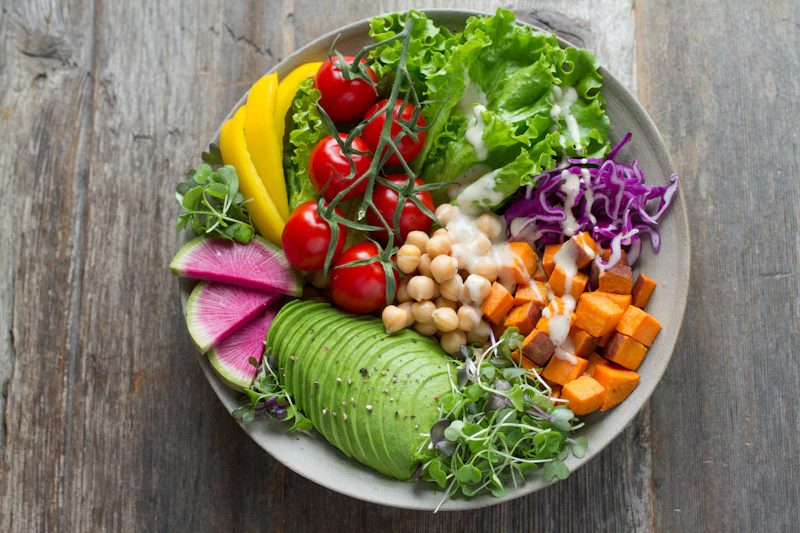
While they do not perform magic "detoxes," green vegetables are incredibly nutrient-dense and provide essential compounds your body needs to function optimally:
Dietary Fiber
Both soluble and insoluble fiber support regular bowel movements and a healthy gut microbiome.
Essential Vitamins
Rich in folate, vitamin K, vitamin C, and vitamin A, which are vital for cell repair, immunity, and blood clotting.
Crucial Minerals
They provide iron, calcium, and magnesium—essential for oxygen transport, bone health, and muscle function.
Phytonutrients
Contain compounds like sulforaphane (in cruciferous veggies), lutein, and chlorophyll, which have antioxidant properties.
High Water Content
Greens are primarily composed of water, contributing to daily hydration needs.
How the Body Actually Processes Waste
The human body already possesses a highly sophisticated, continuously operating detoxification system. It does not need a "cleanse" to function; it needs consistent nutritional support.
The Liver (The Chemical Processing Plant)
The liver is the primary organ responsible for neutralizing harmful substances. It works in two phases:
Phase I: Cytochrome P450 enzymes break down toxins, often making them more reactive temporarily.
Phase II: Conjugation enzymes attach molecules to these reactive substances, making them water-soluble so they can be excreted safely.
The Kidneys (The Filtration System)
Through glomerular filtration and tubular secretion, the kidneys continuously filter your blood, removing water-soluble waste products (prepared by the liver) and excreting them via urine.
The Intestines (The Elimination Route)
Waste products from the liver are also secreted into bile, which travels to the intestines. Here, dietary fiber binds to some of these waste products, ensuring they are excreted in stool rather than reabsorbed.
The Role of Cruciferous Vegetables:
Vegetables like broccoli and kale contain glucosinolates, which break down into sulforaphane. Sulforaphane has been shown to induce (upregulate) Phase II detoxification enzymes in the liver. However, this is enzyme induction—a physiological process—not "detoxification" in the way marketing campaigns suggest. The vegetables support the organs that do the work; they do not extract toxins themselves.
The Chlorophyll Myth
Liquid chlorophyll and "chlorophyll water" are heavily marketed as internal deodorizers, blood cleansers, and detoxifiers. Chlorophyll is simply the pigment that allows plants to undergo photosynthesis (converting sunlight into energy).
Humans do not photosynthesize. Furthermore, liquid chlorophyll supplements are usually chlorophyllin—a semi-synthetic, water-soluble derivative of chlorophyll that is chemically different from what is found in whole plants. There is very limited scientific evidence demonstrating that chlorophyll supplements provide significant health benefits, let alone "purify the blood."
Fiber and Waste Movement
One reason people feel "cleansed" when they start eating more green vegetables is due to the sudden increase in dietary fiber.
- Insoluble Fiber: Adds bulk to stool and promotes regular bowel movements.
- Soluble Fiber: Forms a gel in the digestive tract, which can bind to some bile acids and cholesterol, aiding in their excretion.
Having regular bowel movements is essential for health, but it is normal digestive function—not a miraculous "detoxification." Pooping is just pooping; it is not pulling accumulated toxins out of your deep tissues.
Common Myths vs. Scientific Reality
Green juice detoxes your body.
Your liver, kidneys, and GI tract detoxify your body constantly. Juice just provides hydration and nutrients.
Chlorophyll purifies your blood.
There is no scientific evidence that consuming chlorophyll cleanses or purifies human blood.
Green smoothies remove heavy metals.
Heavy metal toxicity requires medical chelation therapy. Smoothies cannot extract metals from your organs.
Kale and spinach cleanse your organs.
They provide vitamins and antioxidants that support organ function, but they don't 'scrub' or 'cleanse' them.
Green vegetables pull toxins from your intestines.
The fiber in vegetables supports regular bowel movements, which is normal waste elimination, not a special detox.
You need green juice daily to stay clean inside.
Your organs work continuously to process waste, regardless of whether you drink green juice.
The greener the vegetable, the more detoxifying.
Color indicates chlorophyll and specific phytonutrients, not 'detox power.' All vegetables are healthy.
Raw greens are more detoxifying than cooked.
Cooking actually increases the bioavailability of certain nutrients (like beta-carotene) while breaking down tough fibers.
Evidence-Based Benefits of Green Vegetables
Supported by Strong Evidence
Lowering the risk of cardiovascular disease, supporting healthy digestion, providing essential micronutrients, and supporting liver enzyme function (specifically cruciferous vegetables).
Possible Benefits
Reducing the risk of certain cancers (due to antioxidant compounds), though the exact mechanisms and degree of protection require more research.
Unsupported Claims
"Flushing out" accumulated toxins, cleansing the blood, curing heavy metal toxicity, or replacing the physiological functions of the liver and kidneys.
What Green Vegetables CANNOT Do
- •They cannot cure or treat actual medical toxicity or poisoning (which requires emergency medical intervention).
- •They cannot compensate for severe liver or kidney disease. If your body is truly unable to detoxify itself, you require medical treatment (like dialysis), not a smoothie.
- •They cannot erase the effects of excessive alcohol consumption, smoking, or a chronically poor diet.
Who May Need Caution?
Blood Thinners
Individuals on medications like Warfarin must maintain consistent Vitamin K intake. A sudden increase in dark leafy greens can interfere with the medication's efficacy.
Kidney Issues
Spinach, Swiss chard, and beet greens are high in oxalates. People prone to calcium oxalate kidney stones may need to moderate their intake or cook greens to reduce oxalate levels.
Thyroid Conditions
Raw cruciferous vegetables (kale, broccoli) contain goitrogens, which can interfere with thyroid function in high amounts. Cooking neutralizes most goitrogens.
Practical Daily Tips
Eat, Don't Just Drink
While green juices provide vitamins, they often lack the beneficial fiber found in whole vegetables. Smoothies are better than juices as they retain the fiber, but eating whole vegetables is optimal.
Mix Raw and Cooked
Incorporate both raw (salads) and cooked (steamed, roasted) greens into your diet to maximize the variety and bioavailability of nutrients.
Pair with Healthy Fats
Vitamins A and K found in greens are fat-soluble. Eating your greens with a little olive oil, avocado, or nuts helps your body absorb these nutrients effectively.
Frequently Asked Questions
Do green detox diets help you lose weight?
They can cause temporary weight loss, primarily through water loss and severe calorie restriction. This is not sustainable or healthy, and weight usually returns once normal eating resumes.
Why do I feel better after drinking a green smoothie?
You may feel better because you are hydrating, consuming essential vitamins and minerals, and perhaps replacing heavily processed foods with a nutrient-dense option. It's the addition of nutrients, not the removal of toxins.
Are juice cleanses safe?
For most healthy people, a short juice cleanse isn't dangerous, but it is unnecessary. Prolonged cleanses can lead to nutrient deficiencies, muscle loss, and a disrupted metabolism.
Does celery juice heal the gut and detox the liver?
Celery juice is hydrating and contains vitamins, but claims that it is a miracle cure for gut issues or a liver detoxifier lack robust scientific evidence.
Is it bad to eat too much kale?
While kale is healthy, consuming massive amounts of raw kale can introduce high levels of goitrogens (affecting the thyroid) and oxalates (risk of kidney stones). Moderation and cooking help mitigate this.
Can I detox my liver with green vegetables?
You cannot 'detox' the liver. The liver is the detoxifier. Eating a balanced diet rich in vegetables provides the nutrients the liver needs to function efficiently.
Is liquid chlorophyll worth buying?
For most people, no. It is an expensive supplement with little to no proven clinical benefits over just eating dark green leafy vegetables.
Do detox teas work?
Most 'detox teas' contain senna or other natural laxatives and diuretics. They make you use the bathroom more frequently, which can cause dehydration, but they do not clear toxins from your organs.
What is the best way to support my body's natural detox systems?
Drink plenty of water, eat a balanced diet high in fiber (including vegetables), exercise regularly, limit alcohol intake, avoid smoking, and get adequate sleep.
Are powdered greens just as good as fresh vegetables?
Powdered greens can be a convenient supplement to provide some vitamins and minerals, but they lack the full fiber content, water, and complex nutrient matrix of whole, fresh vegetables.
Evidence & Sources
- 1.National Institutes of Health (NIH). (n.d.). "Detoxes" and "Cleanses": What You Need To Know. National Center for Complementary and Integrative Health.
- 2.World Health Organization (WHO). (2020). Healthy diet factsheet. Importance of fruit and vegetable consumption.
- 3.Navarro, S. L., et al. (2014). Modulation of human detoxifying enzymes by cruciferous vegetables: A review. Current Pharmacology Reports.
- 4.Harvard T.H. Chan School of Public Health. (n.d.). The Nutrition Source: Vegetables and Fruits.
- 5.Centers for Disease Control and Prevention (CDC). (2021). Dietary Guidelines for Americans, 2020-2025.
Bottom Line
Green vegetables are vital for health, but they don't act as a sponge to suck toxins out of your body. They provide the nutrients that support your liver and kidneys—the organs that actually do the detoxifying.
Read More Health FactsMedical Disclaimer
The content provided on Medi Info Hub is for informational and educational purposes only. It is not intended to be a substitute for professional medical advice, diagnosis, or treatment. Always seek the advice of your physician or other qualified health provider with any questions you may have regarding a medical condition.