
For general information only. Not a substitute for professional medical advice.
Medi Info Hub Logo

Thyroid Gland Tumor & Nodules
Educational content • Medi Info HubUpdated: 10/19/2026
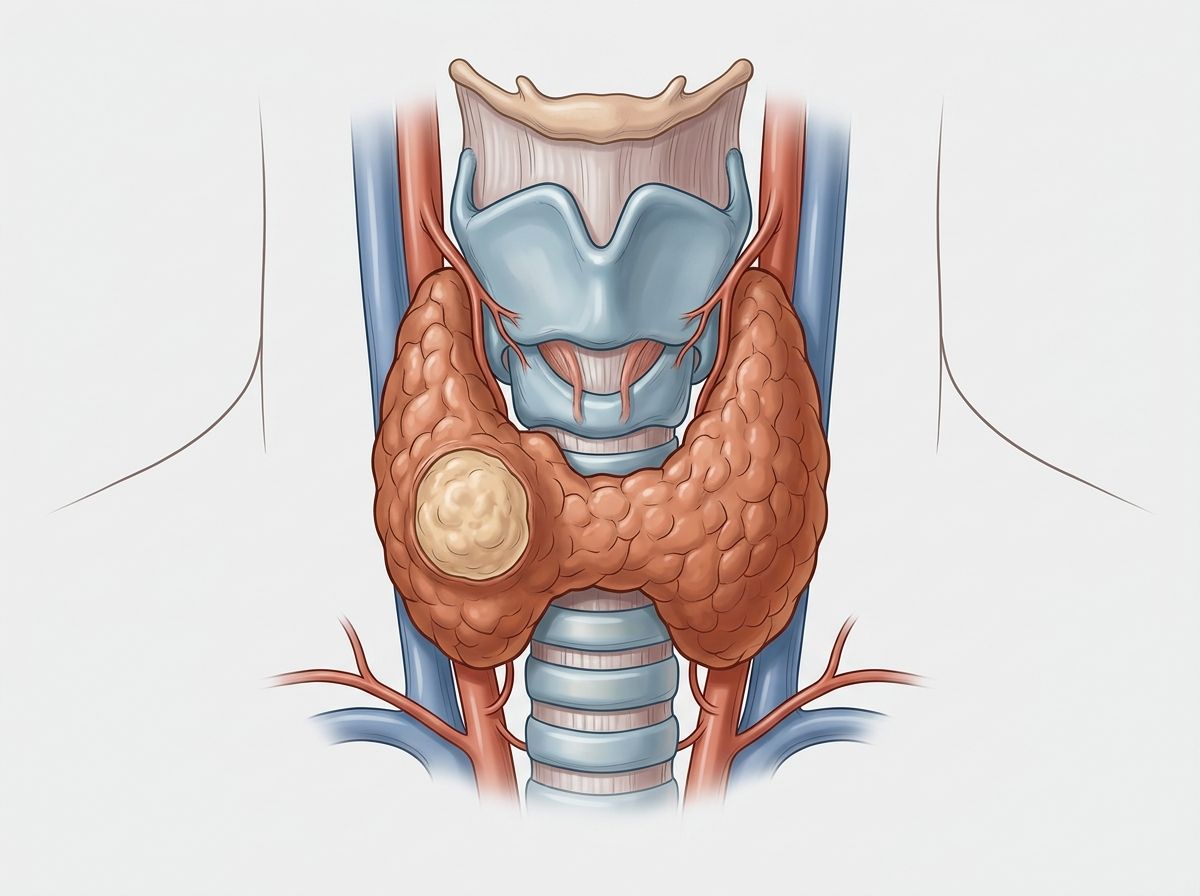
Thyroid Gland Tumor & Nodules clinical reference photography
Clinical Photographic Reference
Medical Visual GuideEndocrinology & Oncology

Thyroid Gland Tumor & Nodules

Educational photographic and clinical reference illustrating presentation, affected anatomy, or clinical evaluation of Thyroid Gland Tumor & Nodules.

Topic-Accurate VisualClinical Reference

Overview

Thyroid gland tumors comprise a clinical spectrum ranging from benign follicular adenomas and multinodular goiters to malignant thyroid carcinomas (papillary, follicular, medullary, and anaplastic). Accurate assessment utilizes high-resolution neck ultrasonography and fine-needle aspiration biopsy.

What Is It?

A thyroid tumor is an abnormal proliferation of thyroid follicular or parafollicular cells forming a palpable or ultrasound-detected discrete nodule in the anterior neck. Over 90% of thyroid nodules are benign, but clinical evaluation is critical to rule out malignancy.

Signs & Symptoms

Visible or palpable lump at the base of the neck, sensation of fullness in the throat, dysphagia (difficulty swallowing), dyspnea or choking sensation when lying flat, hoarseness of voice (vocal cord paresis), and cervical lymphadenopathy.

Causes

Genetic mutations (such as BRAF V600E, RET/PTC, and RAS), childhood radiation exposure, iodine deficiency or chronic thyroiditis (Hashimoto disease), and familial syndromes (e.g., MEN 2).

Diagnosis

Serum Thyroid-Stimulating Hormone (TSH) level to evaluate functional status, High-Resolution Thyroid Ultrasound with ACR TI-RADS scoring, and Ultrasound-Guided Fine-Needle Aspiration (FNA) biopsy with Bethesda System cytopathology categorization.

Treatment & Management

Benign asymptomatic nodules are monitored with serial ultrasound. Suspicious or malignant nodules undergo thyroid lobectomy or total thyroidectomy, followed when indicated by radioactive iodine (RAI) ablation and levothyroxine TSH-suppressive therapy.

Important: Treatment decisions should always be made in consultation with a qualified healthcare professional. Do not start, stop, or change medications without medical guidance.

Prevention & Risk Reduction

Avoid unnecessary radiation exposure to the head and neck. Maintain adequate dietary iodine intake. Individuals with strong family histories of medullary thyroid cancer should undergo genetic counseling and RET proto-oncogene screening.

Living With This Condition

Patients undergoing thyroidectomy require life-long levothyroxine substitution with routine TSH monitoring to maintain euthyroid balance, vitality, and metabolic health.

When to Seek Medical Help

When to Contact a Healthcare Professional

Do not delay seeking medical care if needed

Schedule an evaluation if you detect a new painless lump in your neck, experience progressive hoarseness lasting more than 3 weeks, or have difficulty swallowing.

Emergency Warning Signs

Frequently Asked Questions

Are most thyroid lumps cancerous?

No. Greater than 90% of thyroid nodules evaluated in clinical practice are completely benign.

What is the prognosis for thyroid cancer?

Well-differentiated thyroid cancers (papillary and follicular) have an excellent prognosis, with 10-year survival rates exceeding 95% when detected early.

Medical Disclaimer

Medi Info Hub provides general health information for educational purposes only. The information on this website is not medical advice and is not a substitute for diagnosis, treatment, or consultation with a qualified healthcare professional. Do not delay seeking medical care because of information found on this website. In an emergency, contact your local emergency services immediately.

Published by: Medi Info Hub TeamLast updated: October 19, 2026