
For general information only. Not a substitute for professional medical advice.
Medi Info Hub Logo

Keloid Scars & Keloid Disorder
Educational content • Medi Info HubUpdated: 10/19/2026
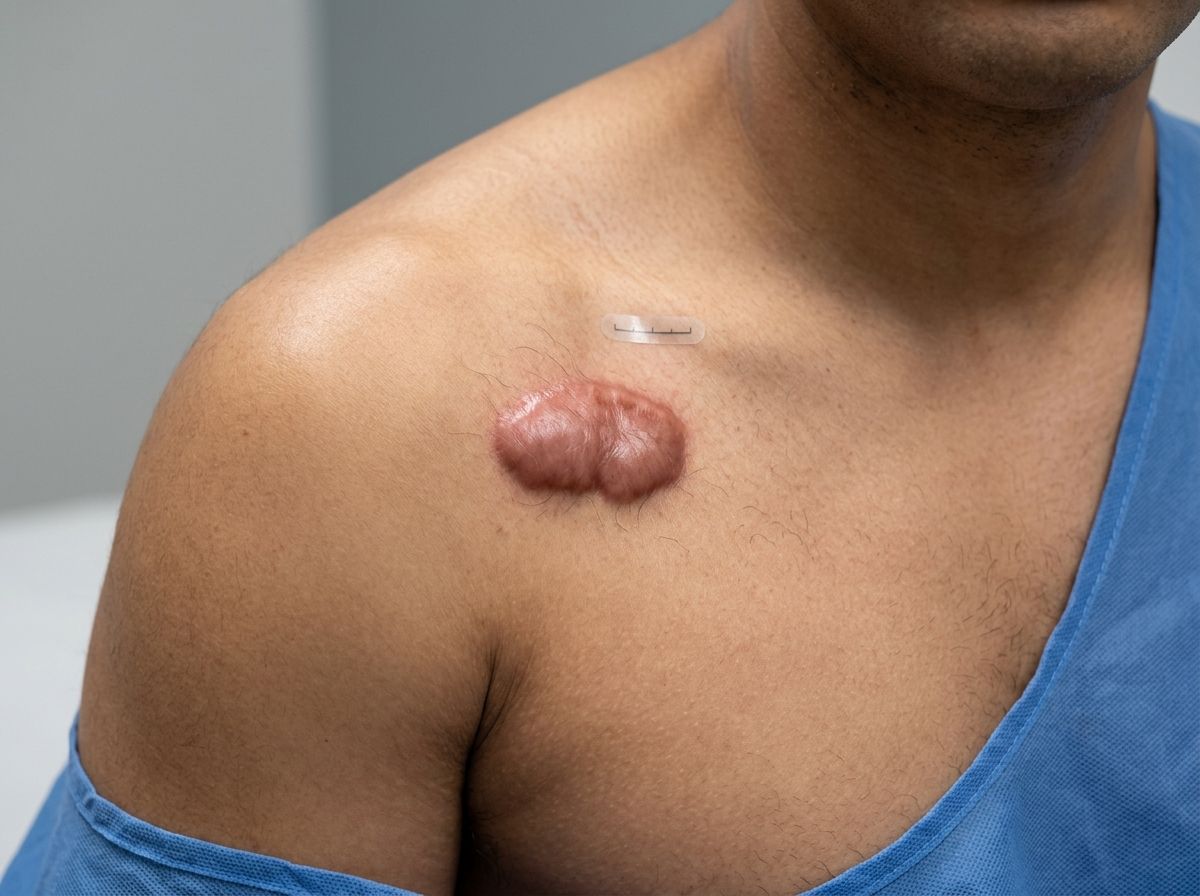
Keloid Scars & Keloid Disorder clinical reference photography
Clinical Photographic Reference
Medical Visual GuideDermatology

Keloid Scars & Keloid Disorder

Educational photographic and clinical reference illustrating presentation, affected anatomy, or clinical evaluation of Keloid Scars & Keloid Disorder.

Topic-Accurate VisualClinical Reference

Overview

Keloids are benign, fibroproliferative cutaneous dermal lesions characterized by excessive collagen deposition that extends beyond the original boundaries of the initial skin injury, failing to regress spontaneously over time.

What Is It?

Unlike hypertrophic scars which remain confined within the margins of an initial wound and often improve over months, keloids invade adjacent normal skin through prolonged fibroblast hyperactivity, continuous inflammatory signaling, and aberrant extracellular matrix remodeling.

Signs & Symptoms

Raised, firm, rubbery or hard scar tissue extending beyond wound borders. Common symptoms include persistent pruritus (itching), tenderness, sharp burning pain, hyperpigmentation (erythematous to dark brown), and restricted joint mobility when crossing flexor surfaces.

Causes

Triggered by cutaneous trauma such as surgical incisions, piercing, acne vulgaris excoriations, burns, vaccinations, or insect bites in genetically susceptible individuals with elevated TGF-beta signaling and altered collagen I/III ratios.

Diagnosis

Diagnosis is clinical based on patient history, physical examination, and lesion characteristics spreading beyond initial incision or injury margins. Biopsy is reserved for atypical lesions to exclude dermatofibrosarcoma protuberans or cutaneous malignancies.

Treatment & Management

Multimodal therapy offers optimal control: intralesional corticosteroid injections (triamcinolone acetonide) combined with 5-fluorouracil (5-FU), silicone gel sheeting, cryotherapy, pulsed-dye laser therapy, and surgical excision with immediate postoperative adjuvant superficial radiotherapy or pressure therapy.

Important: Treatment decisions should always be made in consultation with a qualified healthcare professional. Do not start, stop, or change medications without medical guidance.

Prevention & Risk Reduction

Individuals with a personal or strong family history of keloid scarring should avoid elective aesthetic piercings, tattooing, and cosmetic skin procedures. Promptly treat inflammatory acne vulgaris and use tension-free surgical closure techniques.

Living With This Condition

Consistent use of pressure garments and silicone sheeting for 6 to 12 months after intervention significantly reduces recurrence rates. Protecting keloids from UV sun exposure prevents darkening.

When to Seek Medical Help

When to Contact a Healthcare Professional

Do not delay seeking medical care if needed

Consult a dermatologist if a scar continues to grow weeks after healing, becomes progressively tender or itchy, or interferes with movement.

Emergency Warning Signs

Frequently Asked Questions

Why do keloids recur after being cut out?

Surgical excision alone triggers a fresh wound healing response, resulting in recurrence rates up to 50–80% unless combined with corticosteroids or adjuvant radiotherapy.

Are keloids contagious or precancerous?

No, keloids are non-contagious benign fibroproliferative lesions that do not spread to other people.

Medical Disclaimer

Medi Info Hub provides general health information for educational purposes only. The information on this website is not medical advice and is not a substitute for diagnosis, treatment, or consultation with a qualified healthcare professional. Do not delay seeking medical care because of information found on this website. In an emergency, contact your local emergency services immediately.

Published by: Medi Info Hub TeamLast updated: October 19, 2026
Keloid Scars — Causes, Prevention & Treatments | Medi Info Hub | Medi Info Hub