
For general information only. Not a substitute for professional medical advice.
Medi Info Hub Logo

Alopecia & Hair Loss Disorders
Educational content • Medi Info HubUpdated: 10/19/2026
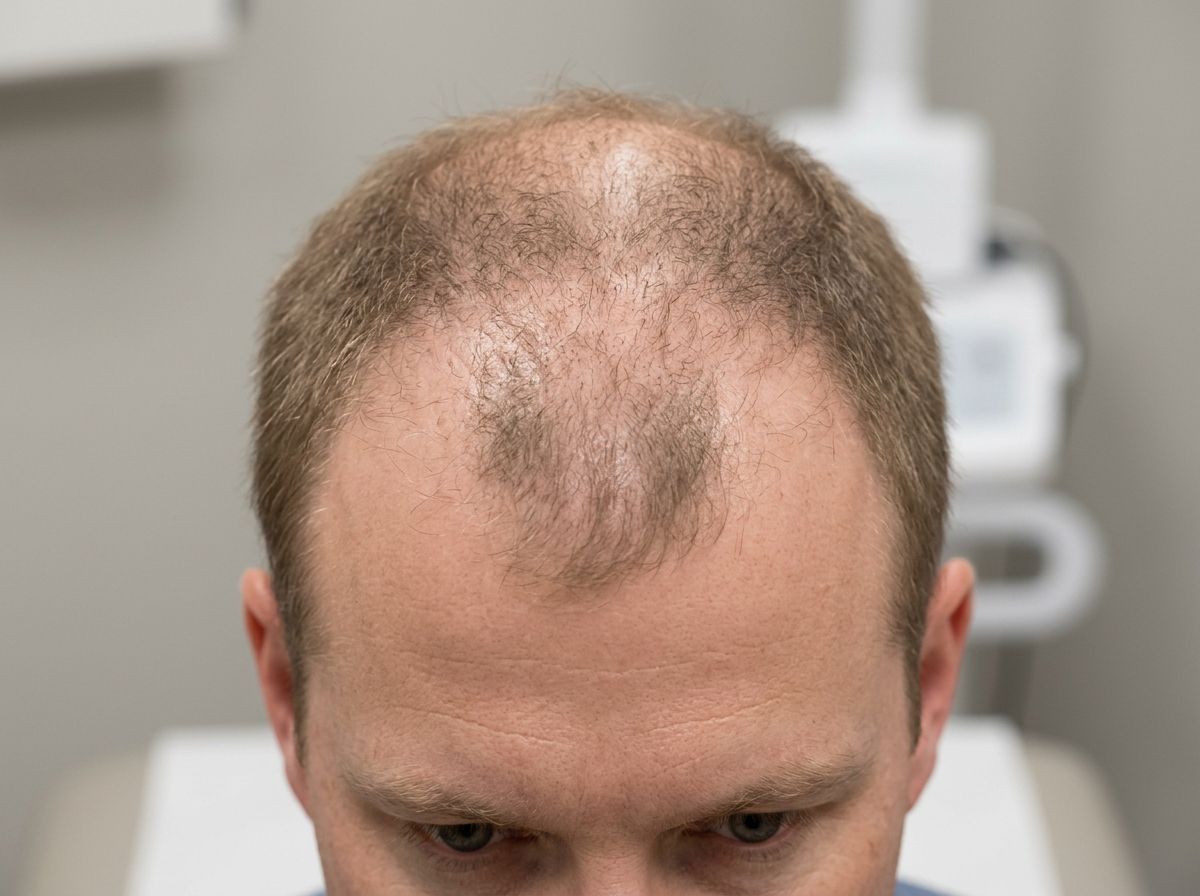
Alopecia & Hair Loss Disorders clinical reference photography
Clinical Photographic Reference
Medical Visual GuideDermatology

Alopecia & Hair Loss Disorders

Educational photographic and clinical reference illustrating presentation, affected anatomy, or clinical evaluation of Alopecia & Hair Loss Disorders.

Topic-Accurate VisualClinical Reference

Overview

Alopecia encompasses non-scarring and scarring hair loss disorders, including Alopecia Areata (T-cell mediated autoimmune follicular targeting), Androgenetic Alopecia (pattern hair loss), and Telogen Effluvium (stress-induced shedding).

What Is It?

Hair loss occurs when hair follicle cycling is disrupted. In Alopecia Areata, breakdown of follicular immune privilege leads to cytotoxic T-lymphocyte attack on anagen-phase hair bulbs, causing rapid circular patches of shedding without permanent follicular scarring.

Signs & Symptoms

Smooth, round or oval patches of sudden hair loss on the scalp, beard, or eyebrows. Dermoscopic signs include exclamation mark hairs, yellow dots, and black dots. Severe forms include Alopecia Totalis (entire scalp) and Alopecia Universalis (entire body).

Causes

Loss of hair follicle immune privilege mediated by CD8+ T-cells and interferon-gamma signaling, genetic susceptibility (HLA alleles), psychological acute stress, androgen receptor sensitivities (in androgenetic pattern loss), and thyroid/iron deficiencies.

Diagnosis

Dermoscopy (trichoscopy), hair pull test, scalp examination, and targeted laboratory panels (serum ferritin, TSH, vitamin D, complete blood count). Scalp punch biopsy helps differentiate non-scarring from cicatricial (scarring) alopecias.

Treatment & Management

Mild patchy alopecia areata frequently responds to potent topical or intralesional corticosteroids (triamcinolone). Extensive or resistant disease benefits from oral Janus kinase (JAK) inhibitors (baricitinib, ritlecitinib), topical minoxidil, and contact immunotherapy (DPCP).

Important: Treatment decisions should always be made in consultation with a qualified healthcare professional. Do not start, stop, or change medications without medical guidance.

Prevention & Risk Reduction

While autoimmune alopecia areata cannot be prevented, protecting the bare scalp with broad-spectrum SPF sunscreen and head coverings prevents actinic damage. Gentle hair care avoids mechanical traction alopecia.

Living With This Condition

Hair regrowth cycles can take months. Joining supportive patient communities and utilizing cosmetic hair prosthetics or styling options helps navigate the emotional impact of hair shedding.

When to Seek Medical Help

When to Contact a Healthcare Professional

Do not delay seeking medical care if needed

Schedule a dermatological consultation if you discover sudden patchy circular hair loss, rapid diffuse shedding, or painful scalp redness and flaking.

Emergency Warning Signs

Frequently Asked Questions

Can hair regrow in alopecia areata?

Yes. In non-scarring alopecia areata, hair follicles remain alive beneath the scalp, allowing potential regrowth once follicular inflammation resolves.

What are JAK inhibitors for hair loss?

JAK inhibitors are FDA-approved oral targeted therapies that block the specific inflammatory cytokines that signal immune cells to attack hair follicles.

Medical Disclaimer

Medi Info Hub provides general health information for educational purposes only. The information on this website is not medical advice and is not a substitute for diagnosis, treatment, or consultation with a qualified healthcare professional. Do not delay seeking medical care because of information found on this website. In an emergency, contact your local emergency services immediately.

Published by: Medi Info Hub TeamLast updated: October 19, 2026